
Hotel Towels vs Home Towels: Differences in Use, Care and Durability
Towels are an essential part of everyday comfort, whether you are staying in a luxury hotel or getting ready at home. However, hotel towels and home towels often differ in their design, material, absorbency, durability, and maintenance requirements. Hotel towels are typically designed to withstand frequent washing and repeated use, while home towels are often selected for personal comfort, style, softness, and individual preferences.
Understanding these differences can help you choose the right towels for your bathroom, improve your laundry routine, and get better value for your money. Whether you want to recreate a hotel-style bathroom at home or purchase towels for a hospitality business, knowing what separates hotel towels from home towels makes the decision easier.
In this guide, we explore the key differences between hotel towels and home towels, including their materials, everyday use, care requirements, durability, cost, and ideal applications.
What Are Hotel Towels?
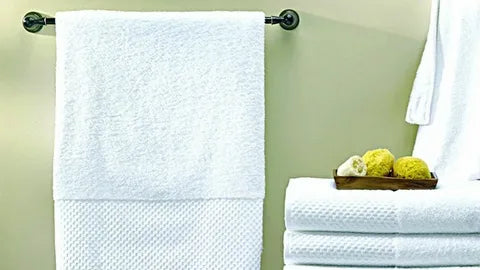
Hotel towels are designed primarily for hospitality environments, including hotels, resorts, guesthouses, spas, and serviced apartments. These establishments need towels that remain comfortable, presentable, and functional despite frequent use and commercial laundering.
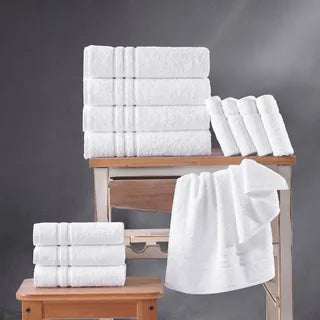
Hotel towels are often white because white fabric creates a clean, consistent appearance and can generally be washed with other white linens. Their simple design also makes it easier for housekeeping teams to maintain a uniform standard across guest rooms.
Most hotel towels are made from cotton or cotton-rich fabrics. Depending on the hotel's category and budget, they may feature different cotton qualities, fabric weights, and construction methods.
Common characteristics of hotel towels include:
-
Practical design: Usually plain, with minimal decorative details.
-
Reliable absorbency: Designed to dry guests effectively after bathing or showering.
-
Commercial durability: Built to tolerate frequent washing when properly manufactured.
-
Standardized sizing: Often available in consistent dimensions to simplify inventory management.
-
Easy maintenance: Usually designed to work with established laundry procedures.
Not every hotel towel is thick or luxurious. Budget hotels may use lighter towels that dry quickly, while luxury properties often choose plush, heavier options to create a premium guest experience.
What Are Home Towels?
Home towels are intended for personal and family use. They are available in a wider variety of colors, sizes, patterns, textures, and materials because homeowners can choose products according to their preferences and bathroom décor.
Unlike hotels, which need to maintain large inventories, households usually purchase smaller quantities and replace towels as needed. This gives consumers more flexibility to prioritize softness, appearance, sustainability, or price.
Popular types of home towels include bath towels, bath sheets, hand towels, washcloths, hair towels, and decorative guest towels.
Common features of home towels include:
-
Variety of designs: Available in neutral colors, bright shades, patterns, and decorative finishes.
-
Personalized comfort: Options range from lightweight towels to thick, plush varieties.
-
Different materials: Cotton, organic cotton, bamboo-blend fabrics, microfiber, and other materials are widely available.
-
Flexible replacement schedules: Towels can be replaced individually rather than as part of a standardized inventory.
-
Specialized uses: Some are designed specifically for hair care, travel, sports, or sensitive skin.
Home towels can be just as durable as hotel towels. Their lifespan depends on fabric quality, construction, washing habits, and how frequently they are used.
Hotel Towels vs Home Towels: Key Differences
Although both types serve the same basic purpose, their intended use influences how they are manufactured and maintained.
|
Feature |
Hotel Towels |
Home Towels |
|
Primary purpose |
Frequent guest use |
Personal and family use |
|
Design |
Usually simple and uniform |
Wide range of colors and styles |
|
Common material |
Cotton or cotton-rich fabric |
Cotton, cotton blends, bamboo blends, and microfiber |
|
Absorbency |
Selected for reliable performance |
Varies according to personal preference and product quality |
|
Fabric weight |
Ranges from lightweight to plush |
Ranges from lightweight to extra-heavy |
|
Washing frequency |
Often very frequent |
Depends on household routines |
|
Maintenance |
Designed around consistent laundry procedures |
Usually cared for with household laundry |
|
Replacement |
Managed according to inventory and wear |
Replaced as individual towels wear out |
|
Decorative options |
Generally limited |
Extensive |
|
Best suited for |
Hospitality and repeated guest use |
Everyday personal comfort and varied household needs |
The most important distinction is not that one type is automatically better than the other. Instead, hotel towels are commonly selected for operational consistency, while home towels offer greater freedom of choice.
Differences in Material and Fabric Quality
The material used to manufacture a towel has a major influence on softness, absorbency, drying time, and durability.
Cotton Towels
Cotton is one of the most popular materials for both hotel and home towels. It is absorbent, comfortable, and available in many fabric constructions.
Hotel towels often use cotton terry fabric, which features loops that help absorb moisture. The quality of the cotton, loop construction, stitching, and finishing all affect performance.
Home towels also frequently use cotton, including standard cotton, combed cotton, and premium long-staple cotton varieties. Some premium home towels use finer fibers to provide a smoother feel.
Combed and Long-Staple Cotton
Combed cotton undergoes processing to remove shorter fibers and impurities, helping create a smoother yarn. Long-staple cotton can also produce strong, soft yarns when manufactured well.
These materials may be used in either hotel or home towels. Their presence alone does not guarantee superior quality, because fabric construction and manufacturing standards also matter.
Bamboo-Blend Towels
Bamboo-derived rayon or viscose is used in some towels, often blended with cotton. These products may offer a smooth feel and appealing drape.
However, performance varies by blend and construction. Bamboo-blend towels are not automatically more absorbent, more sustainable, or longer-lasting than cotton towels.
Microfiber Towels
Microfiber towels are lightweight and can dry quickly, making them useful for travel, gyms, cleaning, and certain specialized applications. They generally have a different texture from traditional cotton terry towels.
For a classic bathroom experience, many households and hotels still prefer cotton because of its familiar softness and absorbency.
Which material should you choose? For a versatile everyday towel, a well-made cotton towel is a practical starting point. For frequent laundering, pay particular attention to construction, care instructions, and the manufacturer's intended use.
Absorbency and Everyday Comfort
Absorbency is one of the most important differences shoppers notice when comparing towels.
Hotel towels must remove moisture efficiently while remaining comfortable for a wide range of guests. Hotels therefore often prioritize a balance between absorbency, softness, drying time, and laundry efficiency.
Home towels can be chosen more specifically for personal preferences. Some people enjoy a thick towel that feels plush against the skin, while others prefer a lightweight towel that dries quickly between showers.
Several factors affect absorbency:
-
Fiber composition: Cotton is naturally absorbent, although blends can behave differently.
-
Loop construction: Terry loops increase the fabric's surface area and help hold moisture.
-
Fabric density: A higher fabric weight may provide a fuller feel, but weight alone does not determine absorbency.
-
Finishing treatments: Some softeners and manufacturing finishes can affect how readily a towel absorbs water.
-
Product condition: Detergent residue, fabric softener buildup, and heavy wear can reduce performance.
A towel with a high GSM, or grams per square metre, is generally heavier and may feel more substantial. However, a lighter towel can still absorb moisture effectively and may dry faster.
For home use, consider how the towel feels when wet as well as when dry. A towel that feels exceptionally soft on the shelf may not necessarily perform better after repeated washing.
Hotel Towels vs Home Towels: Durability
Durability is especially important for hotel towels because they may be used and washed much more frequently than towels in an average household.
Hotel towels are commonly selected to withstand repeated laundering, regular handling, and the demands of a commercial laundry operation. Reinforced hems, consistent stitching, and suitable fabric construction can help them last longer.
Home towels may experience less frequent washing, although this varies considerably between households. Premium home towels can offer excellent durability, while inexpensive towels may lose fibers, develop thin areas, or fray at the edges sooner.
What Affects Towel Lifespan?
1. Fabric construction
Well-constructed terry fabric with secure hems is generally better equipped to withstand regular use. Loose stitching and poorly finished edges can contribute to premature wear.
2. Fiber quality
The strength and consistency of the yarn affect how well the towel holds up over time. However, fiber type should be considered alongside weaving, finishing, and overall manufacturing quality.
3. Washing conditions
Very hot water, excessive detergent, harsh chemicals, and overly aggressive drying can accelerate wear. Commercial laundry processes may use stronger cleaning methods than ordinary household routines, so towels intended for hotels need to be suitable for the expected process.
4. Frequency of use
A towel used several times daily will generally wear faster than one used occasionally. Hotels must account for this higher turnover when purchasing supplies.
5. Drying and storage
Leaving damp towels in a pile can encourage unpleasant odors. Proper drying and ventilation help maintain freshness and reduce the need for repeated rewashing.
A good-quality home towel can last for years with appropriate care. Hotel towels may also last a long time, but their actual service life depends on the quality of the product and the intensity of commercial use.
How to Wash and Care for Hotel Towels
Hotel towels are usually managed through a consistent laundry process designed to remove body oils, dirt, and odors while maintaining acceptable fabric performance.
If you want to achieve a similar result at home, focus on thorough cleaning rather than trying to make towels feel artificially soft.
Wash Towels Regularly
Wash bath towels after a few uses, sooner if they become visibly soiled or develop an unpleasant smell. Hand towels may need more frequent washing because several people can use them throughout the day.
Always follow the care label, especially when towels include decorative borders, special finishes, or blended fibers.
Avoid Excessive Detergent
Using more detergent than necessary can leave residue in the fabric. Over time, this may make towels feel stiff and less absorbent.
Measure detergent according to the product instructions, load size, soil level, and washing machine requirements.
Use Fabric Softener Sparingly
Fabric softener can leave a coating on towel fibers that reduces water absorption. If absorbency is a priority, avoid using it routinely or follow the towel manufacturer's guidance.
Choose the Right Temperature
Hotter water is not always better. Select the temperature recommended on the care label and appropriate for the level of soil. For hygiene-sensitive or commercial applications, follow the relevant laundry procedures and fabric-care instructions.
Dry Towels Completely
Tumble-dry towels according to their care labels or hang them in a well-ventilated area. Avoid excessive heat, which can damage fibers and weaken hems over time.
For fluffy towels, remove them promptly when dry and shake them out before folding.
How to Care for Home Towels
Home towels generally require less standardized maintenance than hotel towels, but good habits can significantly improve their lifespan.
Start by separating towels from items that produce lint or have rough fasteners, such as some garments. Wash heavily soiled towels separately when appropriate, and avoid overloading the washing machine so water and detergent can circulate properly.
Here are practical ways to maintain home towels:
-
Wash new towels before first use: This removes manufacturing residue and helps prepare the fabric for regular use.
-
Hang towels after every use: Spread them out so they can dry properly.
-
Avoid damp storage: Make sure towels are completely dry before placing them in a cupboard or laundry basket for extended periods.
-
Skip routine fabric softener: This helps preserve absorbency.
-
Check the care label: Different fibers and finishes may require different treatment.
-
Replace worn towels: Fraying hems, persistent odors after washing, thinning fabric, and reduced absorbency can indicate that a towel has reached the end of its useful life.
For households with multiple bathrooms, assigning different towel colors to family members can make laundry management easier. White towels can be a practical choice for people who want a simple, coordinated collection, while colored towels offer more flexibility for interior design.
Which Towels Dry Faster?
Drying time matters in both hotels and homes, but the ideal towel depends on the environment.
Lightweight towels generally dry faster because they contain less material and hold less water overall. Thick, heavy towels may feel luxurious, but they often take longer to dry, especially in humid bathrooms or poorly ventilated spaces.
Hotel operators may choose lighter towels in situations where laundry turnaround is important. Luxury hotels may accept longer drying times in exchange for a thicker, more substantial guest experience.
At home, consider the number of towels you own, available drying space, local humidity, and how often you shower.
If your bathroom stays damp, a medium-weight cotton towel may be more practical than an exceptionally thick one. Using a towel rail that allows the fabric to spread out can also help it dry more efficiently.
Remember that drying time depends on more than weight. Fiber composition, loop density, airflow, temperature, and humidity all influence how quickly a towel dries.
Cost and Value for Money
Hotel towels and home towels are available at many price points. The best value depends on the intended use rather than the label on the product.
Hotels often buy towels in bulk, which can reduce the purchase price per unit. Their purchasing decisions also account for replacement rates, laundry costs, inventory requirements, and guest expectations.
Homeowners usually buy fewer towels at a time, allowing them to spend more on particular features such as premium cotton, decorative borders, or coordinated colors.
When comparing products, consider the following:
-
Initial price: How much does each towel cost?
-
Expected lifespan: Is the construction suitable for your washing routine?
-
Absorbency: Does the towel perform well for its intended purpose?
-
Drying time: Will it be practical in your bathroom?
-
Maintenance: Does it require special washing or drying?
-
Replacement frequency: How often are you likely to need a new one?
A low-priced towel that wears out quickly may cost more over time than a better-made alternative. On the other hand, an expensive luxury towel may not provide enough additional value if you prefer lightweight towels or need to wash them very frequently.
For hospitality businesses, consistent quality and reliable supply are important. For households, the ideal purchase balances comfort, appearance, durability, and budget.
Can You Use Hotel Towels at Home?
Absolutely. Hotel towels can be an excellent choice for everyday household use, especially if you prefer a clean, simple bathroom aesthetic and practical fabric construction.
White hotel-style towels can create a coordinated appearance and are easy to match with different bathroom designs. They can also be useful for guest bathrooms because replacement towels are straightforward to coordinate.
However, not every hotel towel will suit every household. Some commercial towels are deliberately lightweight to reduce drying time and laundry costs. Others may feel firmer than premium home towels because they prioritize performance over an exceptionally plush texture.
Before purchasing hotel-style towels for home use, consider their size, fabric weight, softness, and care requirements.
If you want a luxurious hotel-inspired bathroom, choose well-made cotton towels with a comfortable texture and suitable weight. If you want easy maintenance and quick drying, a lighter option may be the better choice.
You do not need to purchase towels marketed specifically to hotels to achieve a hotel-quality experience. A high-quality home towel can provide the same comfort and, with proper care, excellent durability.
How to Choose the Right Towels for Your Needs
The right towel depends on who will use it and how often it will be washed.
For everyday family use:
Choose absorbent, comfortable towels that are easy to wash and dry. Medium-weight cotton towels offer a practical balance for many households.
For a guest bathroom:
Consider matching towels in neutral colors or a coordinated set. Prioritize a fresh appearance, comfortable texture, and easy care.
For a luxury bathroom:
Look for plush cotton towels with well-finished hems and a fabric weight that suits your preferences. Ensure your bathroom has enough ventilation for them to dry thoroughly.
For hotels and guesthouses:
Select towels designed for the expected frequency of use and laundry conditions. Consistent dimensions, reliable supply, and durable construction are particularly important.
For humid environments:
Consider lighter towels that dry efficiently, and make sure they can be hung in a well-ventilated area.
For budget-conscious shoppers:
Compare construction, care requirements, and expected lifespan rather than relying on price or GSM alone.
Taking a little time to compare these factors can help you select towels that remain useful, comfortable, and attractive over repeated washes.
Conclusion
Hotel towels and home towels serve the same essential purpose, but they are often selected with different priorities in mind. Hotel towels typically emphasize consistency, reliable performance, and suitability for frequent laundering. Home towels offer greater variety in design, texture, size, and material, allowing consumers to tailor their choices to personal preferences.
Neither category is automatically superior. A well-made home towel can be just as durable as a hotel towel, while a commercial towel may be an excellent option for a busy household. The best choice depends on absorbency, softness, drying time, fabric construction, maintenance, and budget.
Whether you are equipping a hotel, refreshing your bathroom, or creating a spa-like experience at home, choose towels that match your daily routine. With suitable materials and proper care, quality towels can deliver comfort, freshness, and dependable performance for years.
FAQs
1. What is the main difference between hotel towels and home towels?
The main difference is their intended use. Hotel towels are commonly selected for consistent performance and frequent laundering, while home towels offer a broader choice of colors, textures, materials, and styles. Quality and durability vary within both categories.
2. Are hotel towels more durable than home towels?
Not necessarily. Hotel towels may be designed to withstand frequent commercial laundering, but a high-quality home towel can be equally durable. Fiber quality, construction, washing conditions, and frequency of use all affect lifespan.
3. Why are most hotel towels white?
White towels create a uniform, clean appearance and can be washed together with other white linens. They also make visible stains easier to identify. However, some hotels use colored towels for design or operational reasons.
4. How often should hotel and home towels be washed?
Bath towels should generally be washed after a few uses, provided they dry thoroughly between uses and remain clean-smelling. Hand towels often require more frequent washing because they may be shared. Hotels typically follow more frequent, standardized laundry schedules due to guest turnover.
5. Can I buy hotel towels for everyday home use?
Yes. Hotel towels can be practical for everyday use, especially if you prefer simple designs and dependable performance. Before buying, check the fabric, weight, absorbency, softness, and care instructions to ensure the towels meet your household's needs.