
How to Stop Towels Smelling Musty in Humid Bathrooms
Musty-smelling towels are a common problem in humid bathrooms, especially when towels remain damp for long periods or bathrooms have limited ventilation. Even freshly washed towels can develop an unpleasant odor if they do not dry properly between uses. This can make your bathroom feel less fresh and leave you wondering why clean towels still smell bad.
The good news is that you can prevent musty towel odors with a few simple changes to your washing, drying, and storage routines. From improving bathroom ventilation to removing detergent buildup, the right approach can help your towels stay fresh, soft, and absorbent for longer.
In this guide, we explain why towels develop musty smells in humid bathrooms, how to remove existing odors, and which everyday habits can help keep your towels smelling fresh.

Why Do Towels Smell Musty in Humid Bathrooms?
Towels are designed to absorb moisture, but that same property can make them vulnerable to unpleasant odors. After a shower, a towel contains water along with small amounts of body oils, dead skin cells, soap residue, and other organic material.
When a towel stays damp for too long, microorganisms can multiply in the moist fabric and contribute to a musty smell. High humidity slows evaporation, making the problem worse.
Several factors commonly contribute to smelly towels.
Poor Bathroom Ventilation
Bathrooms without effective exhaust fans or windows often retain moisture after showers. The air stays humid, and towels dry slowly.
Hanging Towels in Thick Folds
A towel folded over a narrow rail may remain damp in the middle, particularly if it is thick or bunched together with other towels. The surface may feel dry while the inner layers retain moisture.
Washing Towels Incorrectly
Using too much detergent, overloading the washing machine, or selecting a wash cycle that does not adequately clean heavily soiled towels can leave residue behind. This buildup may contribute to unpleasant odors.
Leaving Wet Towels in a Laundry Basket
Wet towels placed in a closed hamper or piled on the floor cannot dry properly. The trapped moisture encourages lingering smells that may remain even after washing.
Using Towels Too Many Times Between Washes
Towels used repeatedly without sufficient drying can accumulate body oils, residue, and odor-causing microorganisms. Washing frequency matters, but drying thoroughly between uses is equally important.
Understanding these causes is the first step toward keeping your towels fresh.
Hang Towels Properly After Every Shower
One of the simplest ways to prevent musty towel smells is to make sure towels dry completely between uses.
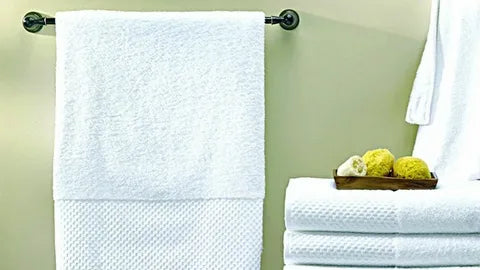
Instead of leaving a towel on a hook in a thick bundle, spread it across a towel rail or bar. This exposes more of the fabric to moving air and helps moisture evaporate more quickly.
Follow these practical tips:
-
Spread towels out: Avoid bunching or folding them into several thick layers.
-
Leave space between towels: Do not hang multiple wet towels tightly together.
-
Use a wide towel bar: A wider rail allows bath towels to hang more fully open.
-
Keep towels away from wet surfaces: Avoid draping them over shower doors or surfaces that remain damp.
-
Move towels to a drier area if necessary: If your bathroom stays humid all day, hang them in a well-ventilated room until completely dry.
A towel should feel dry throughout before it is stored or reused. If the bathroom remains damp for hours after showering, changing where you hang your towels may make a noticeable difference.
Improve Bathroom Ventilation
Ventilation is particularly important in humid climates. Warm showers release moisture into the air, and without a way for that moisture to escape, towels and other bathroom fabrics take longer to dry.
Use an Exhaust Fan
If your bathroom has an exhaust fan, switch it on during showers and leave it running afterward according to the manufacturer's guidance. This helps remove humid air and reduce moisture buildup.
Clean the fan grille periodically, as dust can restrict airflow. If the fan seems ineffective, it may need maintenance or replacement.
Open Windows When Practical
If your bathroom has a window, open it when outdoor conditions allow. Cross-ventilation can help moisture escape, although opening a window may not help when the outdoor air is extremely humid.
Keep the Bathroom Door Open
When privacy allows and it is safe to do so, leaving the bathroom door open after showering can improve airflow into the room. This is especially helpful in bathrooms without windows.
Consider a Dehumidifier
A dehumidifier may help if your bathroom or nearby drying area remains damp despite ventilation. Choose a model suitable for the environment, and follow all electrical safety instructions around water.
Improving airflow does more than prevent towel odors. It can also help reduce condensation and the risk of mold growth on bathroom surfaces.
Wash Towels Correctly to Remove Musty Odors
If your towels already smell musty, simply adding fragrance or fabric softener may only mask the problem. The better approach is to clean the fabric thoroughly and remove residue that can trap odors.
Avoid Overloading the Washing Machine
Towels need enough room to move through the wash water. Overloading the machine can prevent effective cleaning and rinsing.
Wash towels in appropriately sized loads, following your washing machine's instructions.
Use the Correct Amount of Detergent
More detergent does not necessarily mean cleaner towels. Excess detergent can remain in the fabric, especially when the machine is overloaded or rinsing is inadequate.
Measure detergent according to the product label, load size, water hardness, and soil level.
Choose a Suitable Wash Cycle
Use a cycle and water temperature appropriate for the towel's care label and level of soil. Cotton towels often tolerate warmer washing than delicate blends, but the label should guide your choice.
Avoid Excessive Fabric Softener
Fabric softener can coat towel fibers and reduce absorbency. Over time, residue may contribute to a less-fresh smell.
If your towels have become less absorbent or smell unpleasant soon after washing, try washing them without fabric softener.
Remove Towels Promptly
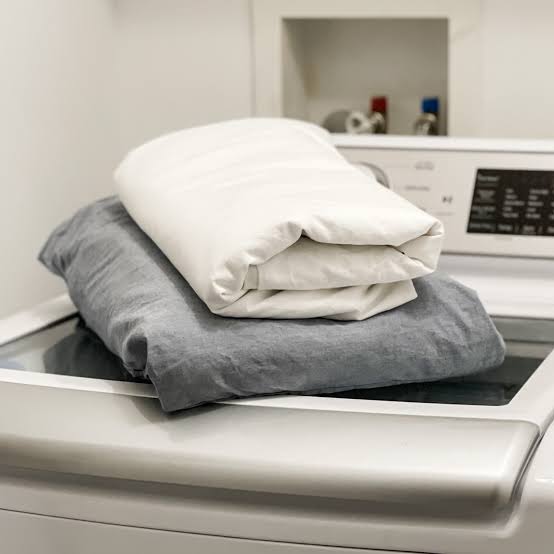
Do not leave clean, wet towels sitting in the washing machine for hours. Transfer them to the dryer or hang them up as soon as the cycle finishes.
If you forget a load and it develops an odor, wash it again before drying.
Use White Vinegar Carefully When Towels Smell Musty
White vinegar is sometimes used in household laundry to help address lingering odors and detergent residue. It may be useful in certain situations, but it is not a substitute for proper washing, complete drying, or suitable laundry products.
If you choose to use vinegar, follow your washing machine manufacturer's instructions and the fabric care label. Do not combine vinegar with chlorine bleach or products containing bleach, as dangerous fumes can result.
Keep these points in mind:
-
Use plain white vinegar rather than scented or colored alternatives.
-
Do not pour vinegar and detergent together unless the product and machine instructions explicitly allow it.
-
Avoid frequent use if your washing machine manufacturer advises against it.
-
Never mix vinegar with bleach, ammonia, or other cleaning chemicals.
For many musty towels, a normal wash using the correct detergent amount, followed by thorough drying, is enough. If odors persist, check the washing machine itself for residue or mildew.
Dry Towels Completely Before Folding
Even properly washed towels can develop musty odors if they remain damp after laundering.
Use a Dryer Correctly
If you have a tumble dryer, follow the towel care label and select a suitable setting. Make sure the towels are fully dry before removing and folding them.
Avoid excessive heat, which can damage fibers over time. Clean the dryer's lint filter regularly and make sure the machine has adequate airflow.
Air-Dry Towels in a Well-Ventilated Area
If you do not use a dryer, hang towels somewhere with good airflow. A sunny outdoor area can be useful when weather conditions permit, but a well-ventilated indoor space can also work.
Spread towels out completely and avoid drying several thick towels in a cramped room.
Check Thick Towels Carefully
Heavy bath sheets and plush towels may take longer to dry than lightweight towels. Check the center and folded edges rather than relying on the feel of the exposed surface alone.
Never fold or store a towel while it is still damp.
Clean Your Washing Machine Regularly
Sometimes, the source of the smell is not the towel but the washing machine.
Detergent residue, lint, and moisture can accumulate around the door seal, detergent drawer, filter, and drum. If the machine develops a musty odor, that smell can transfer to freshly washed laundry.
To keep your washing machine fresh:
-
Run the manufacturer's recommended cleaning cycle at the recommended frequency.
-
Clean the detergent drawer and accessible seals according to the manual.
-
Remove lint and debris from accessible filters when instructed.
-
Use the correct amount of detergent for each load.
-
Leave the door and detergent drawer open after use when safe and permitted by the manufacturer, allowing the interior to dry.
Do not mix cleaning products when cleaning your machine. Follow the manufacturer's instructions, especially if using a commercial washing machine cleaner.
If the washer continues to smell after cleaning, inspect the drain and seek professional maintenance if needed.
Store Towels in a Dry, Well-Ventilated Space
Correct storage is just as important as washing and drying.
A closed bathroom cabinet can trap moisture, particularly when it is located against a damp wall or inside a poorly ventilated bathroom. Towels stored in these conditions may develop odors even if they were fresh when folded.
For better towel storage:
-
Store towels only when they are completely dry.
-
Keep them in a clean cupboard away from damp walls and plumbing leaks.
-
Avoid packing shelves too tightly.
-
Allow airflow around towel stacks.
-
Check stored towels periodically, especially during humid weather.
-
Do not put freshly used towels directly into a clean linen cupboard.
If your bathroom is persistently humid, consider storing spare towels in a dry bedroom cupboard or linen closet instead.
Avoid relying on scented sachets or room fresheners to solve the problem. These may make a cupboard smell pleasant temporarily, but they do not remove moisture or address the cause of mustiness.
Choose Towels That Dry Well in Humid Conditions
Your choice of towel can influence how quickly it dries.
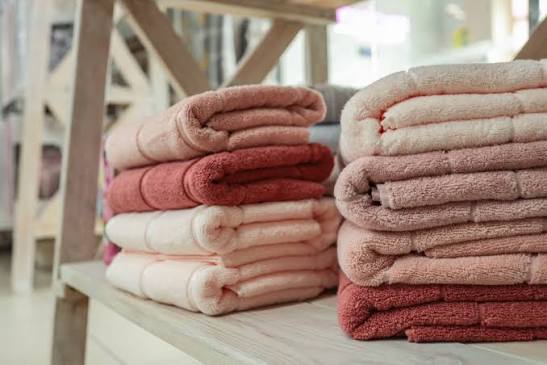
Thick, plush towels feel luxurious, but they often hold more water and need more time to dry. In a bathroom that stays humid, a medium-weight towel may be more practical.
Cotton Towels
Cotton towels are popular because they are absorbent and comfortable. However, their drying time depends on fabric weight, loop construction, airflow, and humidity.
Lightweight Towels
Lightweight cotton towels generally dry faster than very heavy towels, making them useful for small bathrooms or households with limited drying space.
Quick-Drying Microfiber Towels
Microfiber towels can dry quickly and are convenient for travel, gyms, and some household uses. Their texture differs from traditional cotton towels, so personal preference matters.
Choose the Right Towel Size
Large bath sheets can take longer to dry because they contain more fabric. If drying space is limited, standard bath towels may be a better everyday choice.
Regardless of material, no towel is immune to musty odors if it stays damp for extended periods. Good ventilation and proper laundering remain essential.
How Often Should You Wash Towels in Humid Weather?
The right washing frequency depends on how often a towel is used, how quickly it dries, and whether it remains fresh between uses.
As a general guideline:
-
Bath towels: Wash after approximately three to four uses, or sooner if they smell musty, become visibly soiled, or remain damp.
-
Hand towels: Wash every few days, and more frequently when shared by several people.
-
Face towels and washcloths: Wash after each use or according to your personal hygiene routine.
-
Guest towels: Replace and launder after guest use.
-
Gym and workout towels: Wash after each use.
In humid bathrooms, wash towels sooner if they are not drying completely between uses. A towel that smells musty should not continue to be used simply because it has not reached the usual laundry day.
After washing, ensure the towels dry thoroughly before storing them.
When Should You Replace Musty Towels?
Most towel odors can be addressed through proper washing and drying. However, a towel that repeatedly smells bad despite thorough cleaning may have deep-set residue, heavy wear, or contamination that is difficult to remove.
Consider replacing a towel if:
-
It develops a persistent odor immediately after washing.
-
The fabric has become thin, rough, or heavily frayed.
-
It no longer absorbs water effectively.
-
It has visible mold growth that cannot be safely removed according to the care instructions.
-
The smell returns repeatedly despite correcting washing, drying, and storage problems.
If you notice mold or persistent dampness in your bathroom, address the underlying moisture issue rather than replacing towels alone. Check for leaks, condensation, and poor ventilation, and seek professional help if mold is extensive or keeps returning.
Conclusion
Stopping towels from smelling musty in humid bathrooms starts with controlling moisture. Spread towels out after every shower, improve ventilation, wash them with the correct amount of detergent, and make sure they dry completely before storage. Regular washing machine maintenance and sensible towel selection can also help prevent persistent odors.
If your towels already smell musty, wash them thoroughly, avoid unnecessary fabric softener, and dry them fully. If the smell keeps returning, investigate the bathroom's humidity and the washing machine rather than simply masking the odor with fragrance.
With a consistent care routine, you can keep your towels fresher, more absorbent, and comfortable to use, even when the weather is warm and humid.
FAQs
1. Why do my towels smell musty even after washing?
Towels may smell musty after washing because of detergent buildup, a dirty washing machine, insufficient cleaning, or slow drying. Try washing them in a properly sized load with the recommended amount of detergent, cleaning the washer, and drying the towels completely.
2. How can I stop towels from smelling musty in a humid bathroom?
Spread towels across a wide rail, leave space between them, and improve airflow with an exhaust fan or an open window when conditions allow. If the bathroom remains damp, dry towels in a better-ventilated area and consider a suitable dehumidifier.
3. Does vinegar remove musty smells from towels?
White vinegar may help with some lingering odors or detergent residue, but it is not always necessary and should be used only when compatible with the towel and washing machine instructions. Never mix vinegar with chlorine bleach or bleach-containing products.
4. How often should I wash bath towels in humid weather?
A common guideline is to wash bath towels after three to four uses, provided they dry completely between uses. In humid conditions, wash them sooner if they remain damp, develop an unpleasant odor, or become visibly soiled.
5. Are thick towels more likely to smell musty?
Thick towels are not inherently more likely to smell musty, but they often take longer to dry. If a plush towel stays damp in a humid bathroom, odor can develop more easily. Hang it fully open, improve ventilation, and ensure it dries completely before reuse.