
How to Measure Your Mattress Depth for the Perfect Fitted Sheet Fit
Finding the perfect fitted sheet starts with knowing your mattress dimensions—and one of the most important measurements is mattress depth. While many shoppers pay attention to the length and width of their mattress, the height or thickness is often overlooked. Choosing a fitted sheet without considering mattress depth can lead to loose, wrinkled bedding or corners that constantly pop off.
With today's mattresses available in a variety of thicknesses, including pillow-top, memory foam, hybrid, and extra-plush designs, accurately measuring your mattress depth is essential. This guide explains how to measure mattress depth correctly, why it matters, and how to choose fitted sheets that provide a secure, comfortable fit.
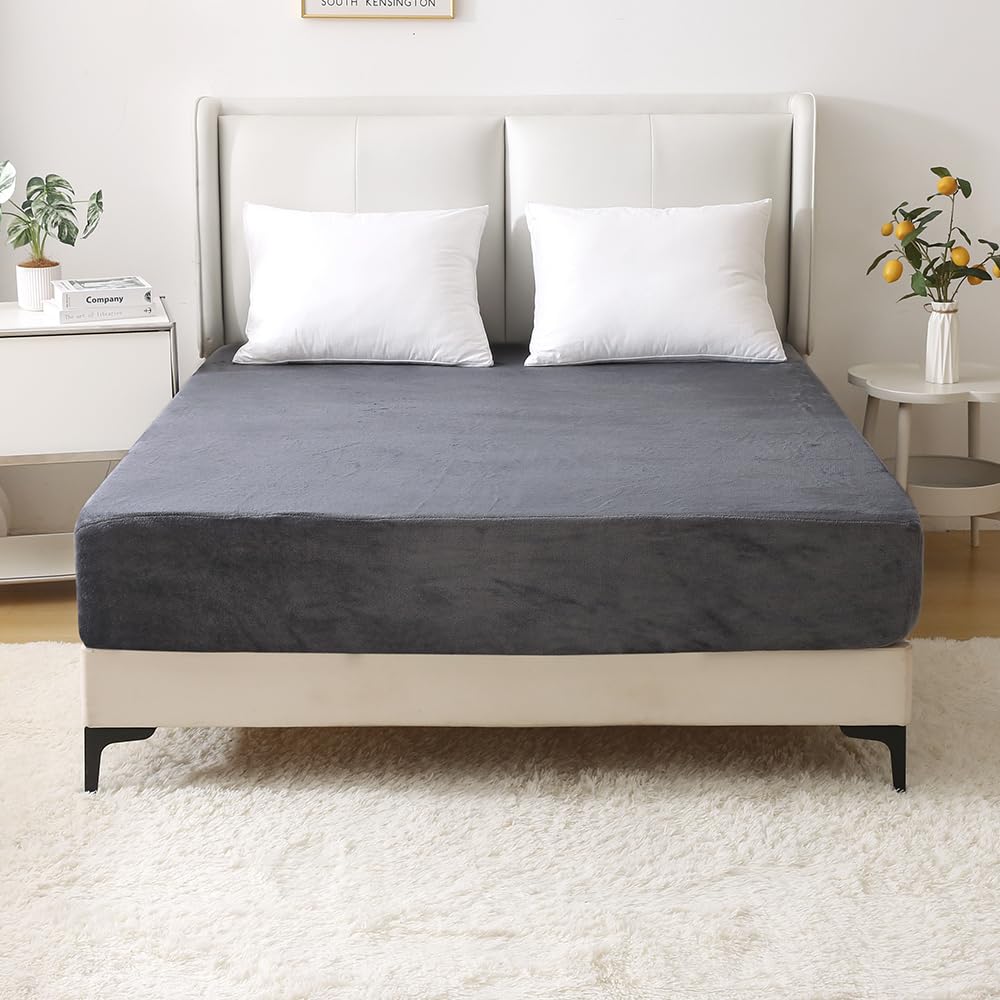
What Is Mattress Depth?
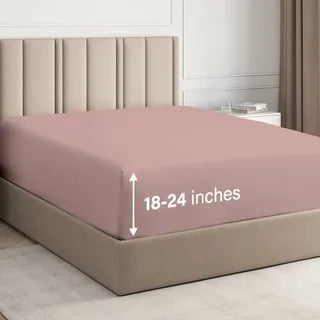
Mattress depth, also called mattress height or thickness, is the distance from the bottom of the mattress to its highest point. This measurement determines the pocket depth your fitted sheet needs.
For example:
-
A mattress that is 10 inches thick typically requires a standard fitted sheet.
-
A 16-inch mattress usually needs a deep pocket fitted sheet.
-
A mattress measuring 20 inches thick often requires an extra deep pocket sheet.
Knowing this measurement helps ensure your sheets stay securely in place throughout the night.
Why Mattress Depth Matters
The right pocket depth keeps your fitted sheet snug and prevents common bedding frustrations.
If Your Sheet Is Too Shallow
When the pocket depth is smaller than your mattress thickness:
-
Corners slip off easily
-
Elastic stretches excessively
-
The sheet becomes difficult to put on
-
Fabric tears more quickly due to constant tension
If Your Sheet Is Too Deep
Using a sheet with pockets much deeper than your mattress can also create problems:
-
Excess fabric bunches under you
-
Wrinkles form across the mattress
-
The sheet shifts during sleep
-
The bed looks untidy
Choosing the correct pocket depth provides a smoother sleeping surface and improves the overall appearance of your bed.
Tools You'll Need
Measuring your mattress requires only a few simple items:
-
A tape measure
-
A notebook or phone to record measurements
-
A flat surface for accurate measuring (optional)
A flexible measuring tape works best because it easily follows the contours of the mattress.

Step-by-Step Guide to Measuring Mattress Depth
Follow these simple steps to determine your mattress depth accurately.
Step 1: Remove Bedding
Take off all bedding, including:
-
Comforters
-
Blankets
-
Pillows
-
Sheets
If you normally sleep with a mattress protector or topper that stays on the bed, leave it in place because your fitted sheet must fit over these items as well.
Step 2: Place the Mattress on a Flat Surface
If possible, ensure your mattress is lying flat. Measuring on an uneven or adjustable base can affect accuracy.
Step 3: Measure from Bottom to Top
Using your tape measure:
-
Place one end at the bottom edge of the mattress.
-
Extend the tape vertically to the highest point of the mattress.
-
Record the measurement in inches or centimeters.
If your mattress has a quilted top or pillow-top layer, measure to the highest point without compressing the surface.
Step 4: Measure Multiple Areas
Some mattresses vary slightly in height due to construction or long-term use.
Measure:
-
Left side
-
Center
-
Right side
If the measurements differ slightly, use the largest measurement when selecting fitted sheets.
Don't Forget Mattress Toppers
Many people forget to include mattress toppers when measuring.
Common topper thicknesses include:
-
2-inch memory foam topper
-
3-inch cooling gel topper
-
4-inch pillow-top topper
For example:
-
Mattress height: 12 inches
-
Topper thickness: 3 inches
-
Total depth: 15 inches
In this case, you'll likely need deep pocket fitted sheets rather than standard ones.
Standard Mattress Depth Categories
Once you've measured your mattress, compare it with these common categories:
Mattress Depth |
Recommended Pocket Type |
|
8–12 inches |
Standard Pocket |
|
13–15 inches |
Deep Pocket (depending on brand) |
|
15–18 inches |
Deep Pocket |
|
18–22 inches |
Extra Deep Pocket |
Keep in mind that manufacturers may have slight variations in pocket depth, so always check the product description before purchasing.

Measuring Different Mattress Types
Different mattress styles can have different thicknesses.
Memory Foam Mattresses
Memory foam mattresses typically range from 10 to 14 inches thick. Some luxury models exceed 16 inches, requiring deep pocket sheets.
Pillow-Top Mattresses
Pillow-top mattresses often add several inches of cushioning, making them 14 to 18 inches deep. Deep pocket sheets are usually the best choice.
Hybrid Mattresses
Hybrid mattresses combine springs with foam layers and commonly measure between 12 and 16 inches thick.
Adjustable Bed Mattresses
These mattresses vary widely in thickness. Since they flex with the bed frame, fitted sheets with strong elastic and the correct pocket depth are especially important.
How to Choose the Right Pocket Depth
After measuring your mattress, select a fitted sheet with a pocket depth slightly greater than your mattress height.
For example:
|
Mattress Height |
Ideal Pocket Depth |
|
10 inches |
12-inch pocket |
|
12 inches |
14-inch pocket |
|
15 inches |
16–18-inch pocket |
|
18 inches |
20–22-inch pocket |
A little extra room allows the elastic to wrap securely underneath the mattress without being overstretched.
Common Measuring Mistakes to Avoid
Avoid these common errors when measuring mattress depth:
Measuring Without the Topper
If you regularly use a topper, include it in your measurement. Otherwise, your fitted sheet may not fit properly.
Compressing the Mattress
Pressing down on soft foam while measuring can result in an inaccurate depth. Measure the mattress in its natural shape.
Ignoring Manufacturer Variations
Not all brands define "deep pocket" the same way. Always compare your mattress measurements with the sheet's listed pocket depth.
Guessing the Height
Even if you know your mattress size (Twin, Queen, King, etc.), don't assume you know its thickness. Measuring takes only a few minutes and helps you avoid buying the wrong sheets.
Tips for the Perfect Fitted Sheet Fit
To ensure your fitted sheet stays secure:
-
Measure your mattress before purchasing new sheets.
-
Replace worn sheets with stretched-out elastic.
-
Wash sheets according to the care instructions to preserve elasticity.
-
Look for fitted sheets with elastic around the entire edge for a more secure fit.
-
If you're between sizes, choose the sheet with a slightly deeper pocket rather than one that's too shallow.
These simple steps can help keep your bed looking neat and your sheets comfortably in place.
Final Thoughts
Measuring your mattress depth is a quick but essential step when shopping for fitted sheets. By accurately measuring the height of your mattress—including any mattress topper or protector—you can choose a fitted sheet with the correct pocket depth for a secure, wrinkle-free fit.
Whether you have a standard mattress, a plush pillow-top, or a thick hybrid model, selecting the right fitted sheet ensures greater comfort, extends the life of your bedding, and keeps your bed looking tidy. Taking a few minutes to measure before you buy can save you from the frustration of loose corners and ill-fitting sheets.
FAQs
1. How do I measure mattress depth accurately?
Use a tape measure to measure from the bottom edge of the mattress to its highest point. Include any mattress topper or protector that will remain on the bed when the fitted sheet is used.
2. What pocket depth do I need for a 14-inch mattress?
A 14-inch mattress often fits a deep pocket fitted sheet, although some standard pockets may also work depending on the manufacturer's sizing.
3. Should I include my mattress topper when measuring?
Yes. If the topper stays on your bed under the fitted sheet, include its thickness in your total mattress depth measurement.
4. What happens if my fitted sheet pocket is too deep?
A pocket that's too deep can leave excess fabric that bunches up, wrinkles, and shifts during the night, reducing comfort.
5. How often should I remeasure my mattress?
You only need to remeasure if you purchase a new mattress, add or remove a mattress topper, or notice that your current fitted sheets no longer fit properly.
Related post
07
Sep