
How to Wash Pillows Without Ruining the Filling
Pillows absorb sweat, oils, dust mites, and skin cells every single night, which is exactly why regular washing matters for both hygiene and comfort. Yet many people avoid washing their pillows altogether, worried about clumped filling, lopsided shapes, or a pillow that never quite dries out properly. The truth is that most pillows can be washed safely — as long as you know the right method for the specific filling type. This guide walks through how to clean different pillow types correctly, so you protect your investment rather than accidentally ruining it.
 Why Pillow Filling Gets Ruined During Washing
Understanding what actually damages pillow filling helps explain why certain washing methods work and others don't.
Common Mistakes That Cause Damage
-
Using too much detergent, which leaves residue that clumps filling together
-
Washing memory foam or certain foam-based pillows in a machine, which can break down the foam structure
-
Skipping a thorough rinse cycle, leaving soap trapped inside the filling
-
Drying pillows improperly, allowing trapped moisture to cause mildew or permanent clumping
Why Drying Is Often the Real Problem
-
Filling that stays damp on the inside while appearing dry on the outside is a leading cause of mildew
-
Incomplete drying is more likely to permanently clump feather and down filling than the washing step itself
-
Rushed drying often leaves pillows lopsided or unevenly filled

Identify Your Pillow's Filling Type First
Before washing anything, confirm what's inside your pillow, since the correct method varies significantly by filling type.
Common Filling Types
-
Polyester fiberfill, found in many everyday and budget-friendly pillows
-
Down and feather blends, common in higher-end bedding
-
Memory foam, either solid or shredded
-
Latex foam, either solid or shredded
-
Buckwheat hulls, less common but requiring entirely different care
How to Check Your Pillow's Filling
-
Check the care label sewn into the pillow seam for washing instructions and filling composition
-
If the label is missing, gently squeeze the pillow — foam will feel dense and spring back slowly, while fiberfill or down will feel lighter and more compressible
-
When in doubt, treat the pillow as non-machine-washable and opt for spot cleaning instead

Washing Polyester Fiberfill Pillows
Fiberfill pillows are generally the easiest and safest to machine wash, making them a good starting point for pillow care.
Machine Washing Steps
-
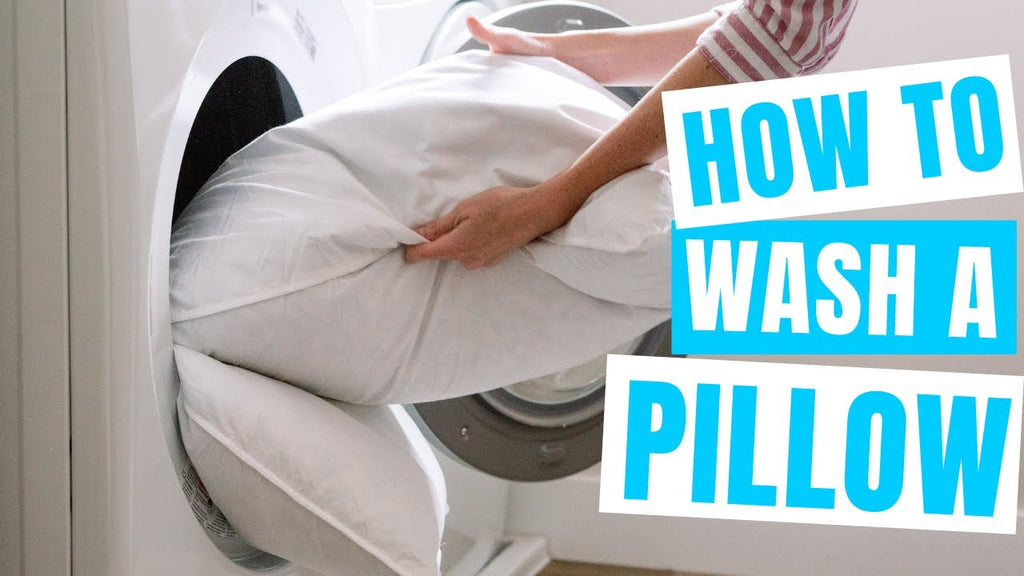
Use a front-loading machine when possible, since top-loaders with center agitators can damage filling distribution
-
Wash two pillows together to balance the load and prevent excessive spinning imbalance
-
Use a mild liquid detergent and run an extra rinse cycle to remove all soap residue
-
Select a gentle or delicate cycle with cold or warm water, avoiding hot water that can break down synthetic fibers
Drying Fiberfill Pillows Properly
-
Add a few clean tennis balls or dryer balls to help redistribute filling and prevent clumping
-
Use a low-heat setting and expect the drying process to take multiple cycles
-
Periodically remove the pillow to fluff and break up any clumps by hand before continuing to dry
Washing Down and Feather Pillows
Down and feather pillows require extra care, since these natural materials clump more easily and take significantly longer to dry.
Key Precautions
-
Always check the care label first, as some down pillows are labeled dry-clean only
-
Use a small amount of specialized down-safe detergent rather than standard laundry detergent, which can strip natural oils from the feathers
-
Run multiple rinse cycles to ensure no soap remains trapped within the filling
Drying Down and Feather Pillows
-
Expect drying to take significantly longer than synthetic fillings, often requiring several dryer cycles
-
Use a low-heat setting combined with dryer balls to prevent clumping and encourage even fluffing
-
Never store a down pillow until it is completely dry throughout, as residual moisture is the primary cause of mildew odor
Handling Memory Foam and Latex Pillows
These materials require a fundamentally different approach, since machine washing can permanently damage the foam structure.
Solid Foam Pillows
-
Never machine wash or machine dry solid memory foam or latex pillows, as agitation and heat can break down the material
-
Spot clean the outer surface using a damp cloth with a small amount of mild detergent
-
Allow foam pillows to air dry completely, away from direct sunlight, which can degrade foam over time
Shredded Foam Pillows
-
Some shredded foam pillows have a removable inner liner that separates from the outer cover
-
The outer cover can typically be machine washed separately following standard care instructions
-
The shredded foam itself should generally be hand washed gently or spot cleaned, then thoroughly air dried
Spot Cleaning as a Safer Alternative
For pillows that aren't suited to full washing, spot cleaning offers a practical way to manage stains and odors without risking the filling.
When Spot Cleaning Makes Sense
-
Foam-based pillows that cannot tolerate submersion or machine agitation
-
Pillows with delicate or decorative covers that shouldn't be fully saturated
-
Minor surface stains that don't require a full wash cycle
How to Spot Clean Effectively
-
Mix a small amount of mild detergent with water and apply with a clean cloth
-
Blot rather than rub the stained area to avoid pushing the stain deeper into the filling
-
Allow the area to air dry fully before using the pillow again
General Tips to Extend Pillow Life
Beyond washing technique, a few habits can reduce how often deep cleaning is even necessary.
Preventive Maintenance
-
Use a washable pillow protector underneath the pillowcase to reduce direct exposure to sweat and oils
-
Fluff pillows daily to maintain loft and prevent filling from settling unevenly
-
Air out pillows periodically by placing them in sunlight, which helps reduce moisture and odor buildup
Knowing When to Replace Rather Than Wash
-
Persistent odors that don't improve after washing may indicate filling breakdown beyond repair
-
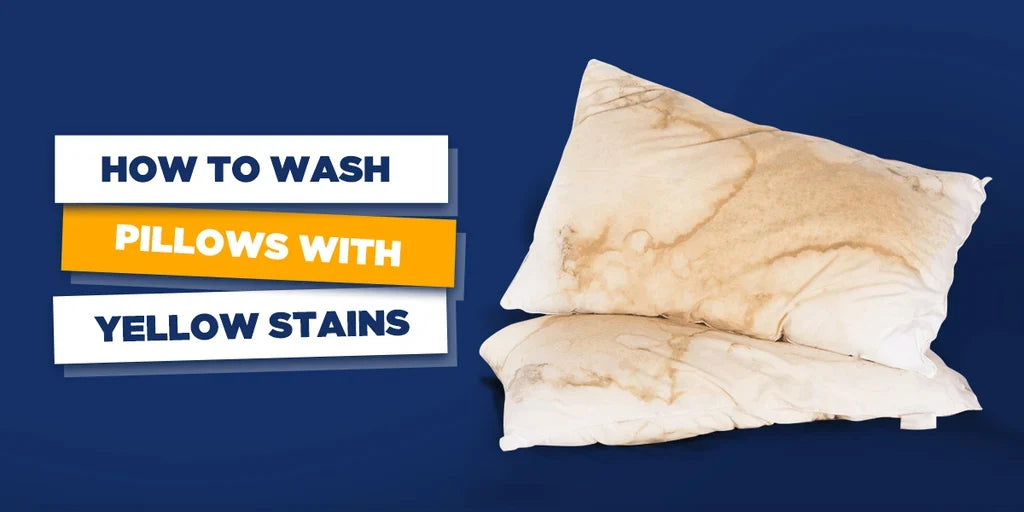
Visible yellowing throughout the pillow, rather than just surface staining, often signals it's time for replacement
-
A pillow that no longer holds its shape after fluffing has likely reached the end of its useful life, regardless of how well it's cleaned
Quality pillows, such as those designed by HomeTex Design, are often built with more durable filling and covers that hold up better to repeated washing, which can extend the practical lifespan of proper care routines.
FAQs
1. How often should pillows be washed?
Most pillows benefit from washing every three to six months, depending on use, allergies, and whether a pillow protector is used. Using a protector can extend the interval between deep washes.
2. Can all pillows be machine washed?
No. Polyester fiberfill and many down or feather pillows can typically be machine washed with proper care, but solid memory foam and latex pillows generally cannot tolerate machine washing or drying without damage.
3. Why does my pillow smell musty even after washing?
A musty smell after washing usually indicates the filling wasn't fully dried before use or storage. Running additional drying cycles and ensuring the pillow is completely dry throughout, not just on the surface, typically resolves this.
4. What's the best way to prevent clumping when washing pillows?
Using dryer balls or clean tennis balls during the drying cycle, along with periodically pausing to fluff and separate the filling by hand, significantly reduces clumping in both synthetic and down fillings.
5. Is it worth washing an old, flat pillow, or should I just replace it?
If a pillow no longer holds its shape after fluffing, has persistent odor, or shows significant yellowing throughout, washing is unlikely to restore it meaningfully, and replacement is generally the more practical option.
Final Thoughts
Washing pillows correctly comes down to knowing your filling type and respecting its specific care requirements, whether that means a full machine wash, careful hand washing, or spot cleaning only. Taking the time to dry pillows thoroughly is just as important as the washing method itself, since incomplete drying is the most common cause of lasting damage. With the right approach, most pillows can be kept clean and comfortable for years, protecting the investment in quality bedding, including well-constructed options from HomeTex Design.
Related post
07
Sep