

How to Choose Duvet Cover Sets That Reduce Heat Retention
Getting a good night’s sleep can be difficult when your bedding traps heat. Many people wake up during the night feeling too warm, sweaty, or uncomfortable. In hot climates such as the United Arab Emirates, choosing the right duvet cover set can make a big difference in sleep quality.
A duvet cover protects the duvet insert while also affecting how cool or warm the bed feels. Some fabrics trap heat, while others allow air to flow freely. By choosing the right duvet cover set, you can create a cooler and more comfortable sleep environment.
This guide explains how duvet covers affect heat retention and how to choose the best options for a cooler night’s sleep.

What Is a Duvet Cover Set?
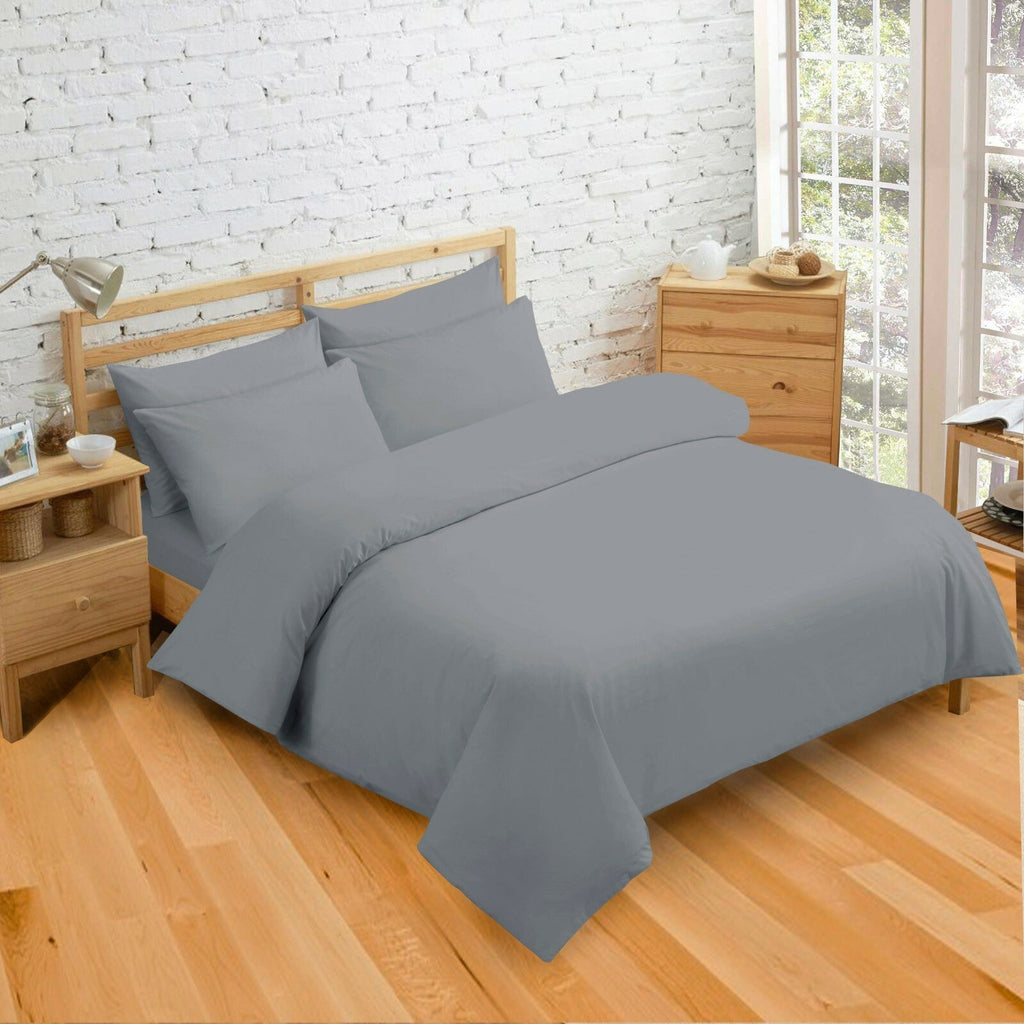
A duvet cover set is a protective cover designed to go over a duvet insert or comforter.
Most duvet cover sets include:
-
One duvet cover
-
Two pillowcases (sometimes one for twin beds)
The duvet cover protects the insert from dirt, sweat, and stains. It can also change how warm or cool your bedding feels. Since the duvet cover is the layer closest to your body, the fabric type plays a big role in temperature control.

Why Some Duvet Covers Trap Heat
Many bedding materials hold heat instead of releasing it. This can make your bed feel warmer than it should.
Common reasons for heat retention include:
-
Thick fabrics that block airflow
-
Synthetic materials that trap body heat
-
Tight weaves that prevent ventilation
-
Heavy duvet inserts paired with warm covers
In warm climates like the United Arab Emirates, these factors can make sleeping uncomfortable. Choosing breathable duvet covers helps release heat and keep the body cool.
Best Fabric Choices for Cooling Duvet Covers
The fabric used in a duvet cover is the most important factor for temperature control. Here are the best materials for reducing heat retention.
Cotton
Cotton is one of the most popular bedding fabrics in the world. It is known for being breathable and comfortable. Benefits of cotton duvet covers include:
-
Good airflow
-
Soft texture
-
Moisture absorption
-
Durability
Cotton allows body heat to escape instead of trapping it under the blanket.

Percale Cotton
Percale is a specific type of cotton weave that creates a crisp and cool feel. Percale duvet covers are known for:
-
Lightweight structure
-
Smooth texture
-
Excellent airflow
Because of these qualities, percale bedding is often used in luxury hotels across the United Arab Emirates.
Linen
Linen is a natural fiber made from flax plants. It is one of the most breathable bedding materials available. Benefits of linen duvet covers include:
-
Strong airflow
-
Natural moisture control
-
Lightweight comfort
Linen sheets may feel slightly textured, but they stay cool even in warm climates.
Bamboo Fabric
Bamboo fabric has become popular in recent years for cooling bedding. Bamboo duvet covers offer:
-
Natural temperature regulation
-
Moisture wicking
-
Soft texture
This material can help reduce sweating during sleep.
Fabrics That Trap Heat
Some duvet cover materials tend to hold heat instead of releasing it.
These fabrics may not be ideal for warm climates like the United Arab Emirates.
Polyester
Polyester is a synthetic fabric that traps heat and moisture. While it is affordable, it can feel warm during sleep.
Microfiber
Microfiber sheets are soft but tightly woven. This structure can reduce airflow and increase heat retention.
Heavy Blends
Some blended fabrics mix natural and synthetic fibers. If the synthetic content is high, the fabric may hold heat.
Understanding Thread Count
Thread count refers to the number of threads woven into one square inch of fabric.
Many people believe higher thread count always means better sheets. However, extremely high thread counts can trap heat.
For cooling duvet covers, the best thread count range is:
200 to 400
This range allows airflow while still providing softness and durability.
Hotels and resorts in the United Arab Emirates often choose bedding within this range.
Importance of Weave Style
The weave style of fabric also affects temperature control. Two common weave types are percale and sateen.
Percale Weave
Percale weave is lightweight and breathable.
It creates:
-
A crisp feel
-
Strong airflow
-
A matte finish
Percale is one of the best options for warm climates.
Sateen Weave
Sateen weave creates a smooth and silky surface. However, sateen fabrics are slightly heavier and can hold more heat. While sateen feels luxurious, it may not be ideal for very hot environments.
Choosing the Right Duvet Insert
Even the best duvet cover cannot stay cool if the insert inside traps heat. When selecting bedding in the United Arab Emirates, consider lightweight duvet inserts.
Good cooling options include:
-
Lightweight down inserts
-
Cotton-filled duvets
-
Bamboo fiber duvets
These materials allow better airflow and reduce heat buildup.
Color Choices and Heat
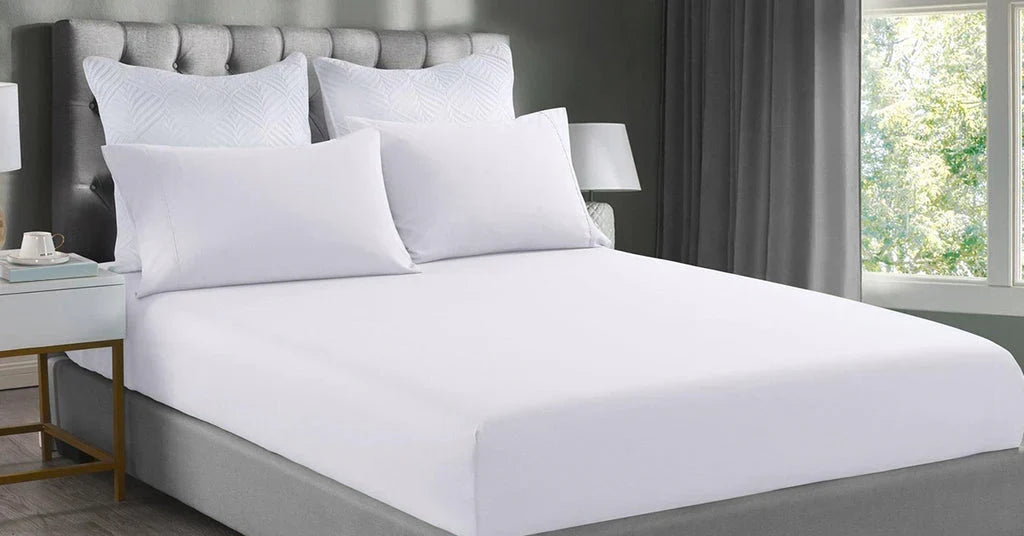
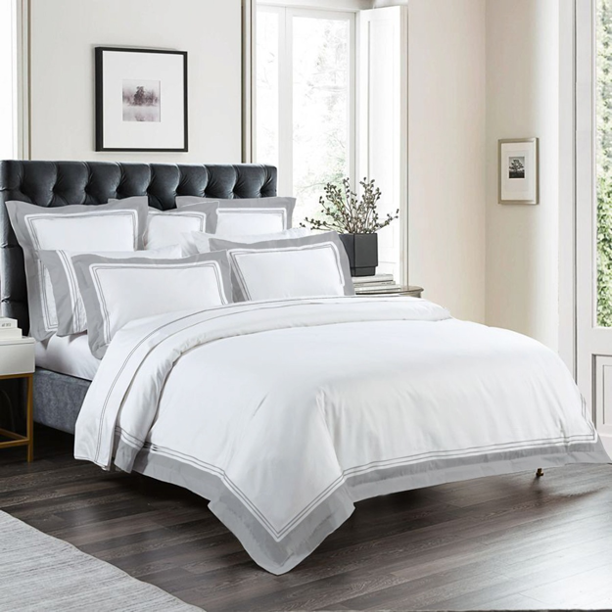
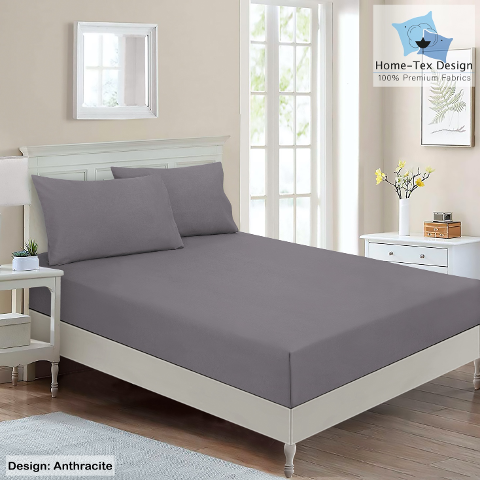
The color of your bedding can also affect temperature. Darker fabrics absorb more heat, while lighter colors reflect heat. This is why most hotels use white bedding. Light colors like white, cream, or light gray help keep the bed feeling cooler.
Benefits of Cooling Duvet Covers
Choosing the right duvet cover set can improve sleep in several ways.
Better Temperature Control
Breathable fabrics allow body heat to escape. This keeps the sleeper cooler during the night.
Reduced Night Sweating
Moisture-wicking fabrics absorb sweat and keep bedding dry.
Improved Sleep Quality
Comfortable temperature helps the body relax and fall asleep faster.
Longer Bedding Lifespan
High-quality duvet covers protect the insert from wear and stains. This helps bedding last longer.
Tips for Keeping Your Bed Cool
Besides choosing the right duvet cover, small habits can help maintain a cooler bed.
Use Lightweight Bedding Layers
Instead of heavy blankets, use lighter layers that can be removed easily.
Wash Bedding Regularly
Clean bedding removes sweat, oils, and dust that can make sheets feel warmer.
Allow Air Circulation
Good airflow in the bedroom helps maintain comfortable temperatures. Fans or air conditioning can support cooling bedding.
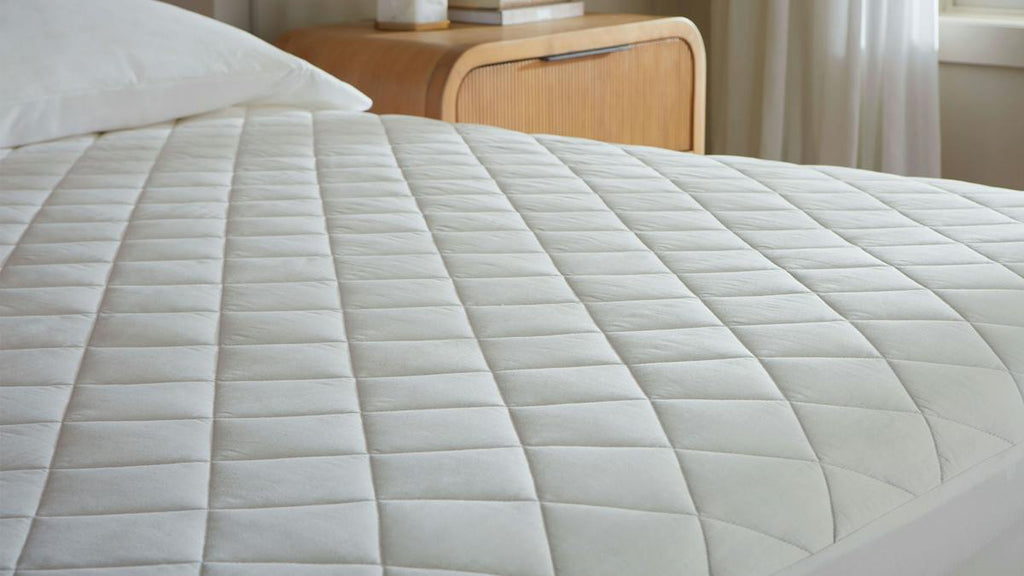
Choose Breathable Mattress Protectors
Some mattress protectors trap heat. Look for breathable materials that allow airflow.
Why Cooling Bedding Is Important in the UAE
Hot climates require bedding that supports temperature control. In places like the United Arab Emirates, nighttime temperatures can remain warm even with air conditioning.
Cooling bedding helps:
-
Reduce overheating
-
Improve comfort
-
Support better sleep quality
By choosing breathable duvet covers and lightweight materials, sleepers can stay comfortable throughout the night.
Final Thoughts
Heat retention in bedding can make sleep uncomfortable, especially in warm climates. Choosing the right duvet cover set is one of the easiest ways to improve sleep quality.
Breathable fabrics such as cotton, percale, linen, and bamboo allow airflow and help release body heat. Moderate thread counts and lightweight duvet inserts also help prevent overheating.
For sleepers in warm regions like the United Arab Emirates, cooling duvet covers are an important part of creating a comfortable sleep environment.
With the right bedding choices, it is possible to enjoy cooler, more restful nights even in hot weather.
FAQs
What duvet cover material is best for hot weather?
Cotton, linen, and bamboo are among the best materials for hot climates because they allow airflow and absorb moisture.
Do duvet covers make bedding warmer?
Some duvet covers can trap heat depending on the fabric. Breathable materials help reduce heat retention.
What thread count is best for cooling bedding?
Thread counts between 200 and 400 usually provide the best balance of softness and airflow.
Are bamboo duvet covers cooling?
Yes. Bamboo fabric naturally regulates temperature and wicks moisture away from the body.
Should I avoid polyester duvet covers?
Polyester duvet covers can trap heat and moisture, making them less comfortable in warm climates.
Can duvet covers improve sleep quality?
Yes. Breathable duvet covers help control body temperature, which can lead to more comfortable and restful sleep.
Related post
07
Sep