
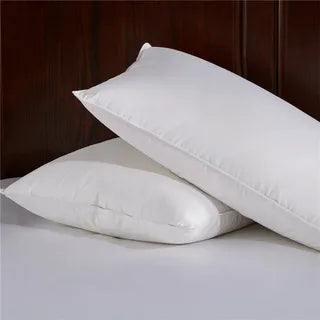
How to Wash Polyester Fiber Pillows at Home Without Losing Shape
Polyester fiber pillows are among the most popular pillow types in homes today. They're affordable, lightweight, hypoallergenic, and easy to maintain compared to many natural-fill alternatives. However, like all bedding, polyester pillows accumulate sweat, oils, dust mites, skin cells, and allergens over time, making regular cleaning essential.
Many people avoid washing their pillows because they're worried about lumps, flattening, or permanent damage. Fortunately, with the right approach, you can safely wash polyester fiber pillows at home while preserving their shape, softness, and support.
This guide explains how to properly clean polyester fiber pillows, dry them correctly, and keep them feeling fresh for years.
Why You Should Wash Polyester Fiber Pillows
Even if you use pillowcases and pillow protectors, your pillows gradually absorb:
-
Body oils
-
Sweat
-
Dead skin cells
-
Dust mites
-
Allergens
-
Moisture
-
Odors
Over time, this buildup can affect both hygiene and sleep quality.
Regular washing helps:
-
Remove allergens
-
Eliminate odors
-
Improve freshness
-
Extend pillow lifespan
-
Maintain a healthier sleep environment
Most polyester fiber pillows should be washed every 4–6 months, depending on usage and household conditions.
Check the Care Label First
Before washing any pillow, always read the manufacturer's care instructions.
Most polyester-filled pillows are machine washable, but some may have specific recommendations regarding:
-
Water temperature
-
Detergents
-
Drying methods
-
Washing frequency
The care label should always take priority over general cleaning advice.
Signs Your Pillow Needs Washing
Your polyester pillow may be due for cleaning if you notice:
-
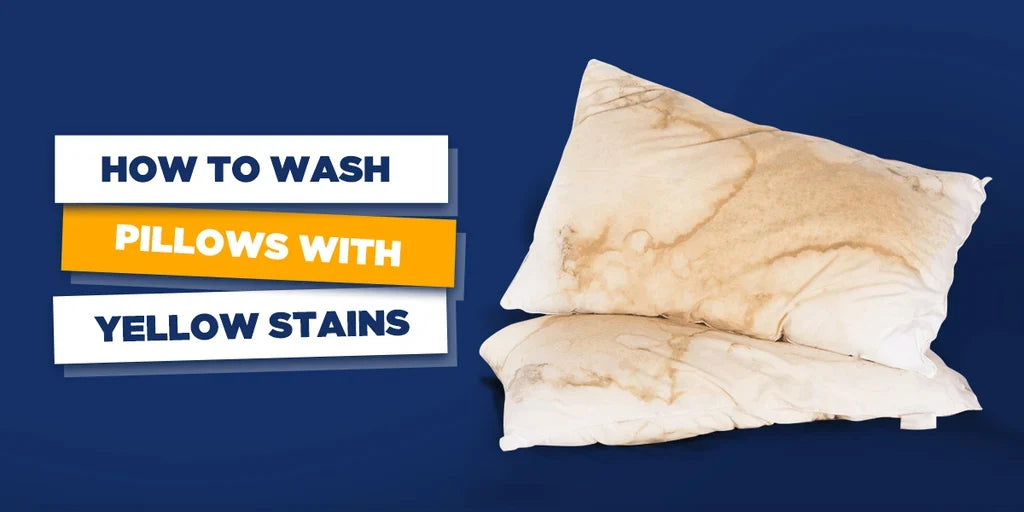
Yellow stains
-
Unpleasant odors
-
Increased allergy symptoms
-
Visible discoloration
-
Reduced freshness
-
Dust accumulation
If it's been several months since the last wash, it's likely time for a thorough cleaning.

How to Machine Wash Polyester Fiber Pillows
Machine washing is usually the easiest and safest method.
Step 1: Remove Covers and Protectors
Take off:
-
Pillowcases
-
Decorative covers
-
Pillow protectors
Wash these separately according to their care instructions.
Step 2: Inspect for Damage
Check the pillow for:
-
Torn seams
-
Loose stitching
-
Holes
Repair any damage before washing to prevent fiber filling from escaping.
Step 3: Use a Gentle Detergent
Choose a mild liquid detergent.
Avoid:
-
Harsh bleach
-
Strong chemicals
-
Excessive detergent
Too much detergent can leave residue trapped inside the pillow filling.
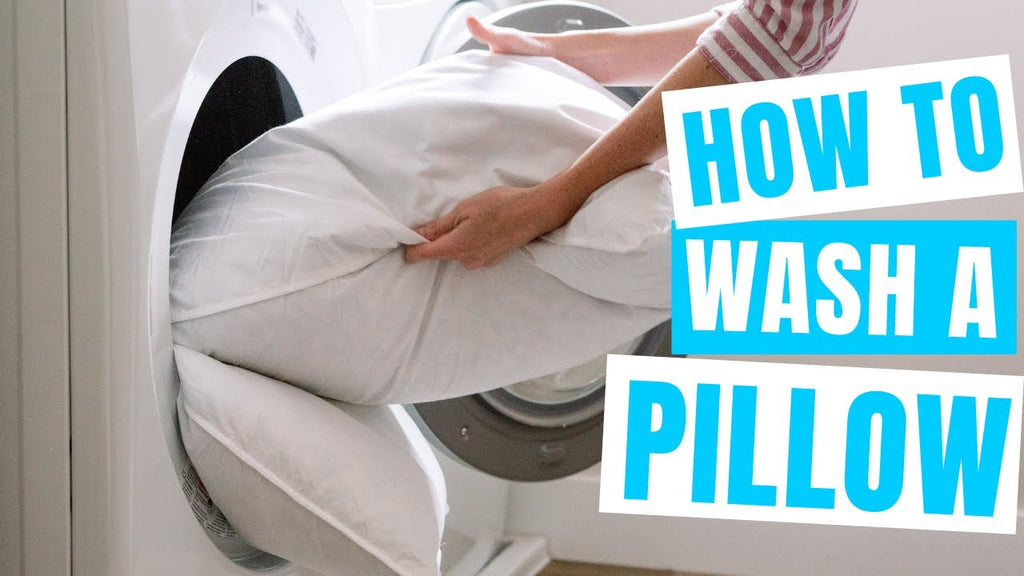
Step 4: Wash Two Pillows Together
If possible, place two pillows in the washing machine at the same time.
This helps:
-
Balance the load
-
Reduce strain on the machine
-
Improve washing performance
Step 5: Select the Correct Cycle
Use:
-
Warm water
-
Gentle cycle
-
Delicate setting
Avoid extremely hot water, which may damage pillow fibers or reduce their lifespan.
Hand Washing Polyester Pillows
If machine washing isn't an option, hand washing can also be effective.
Fill a Tub with Warm Water
Add a small amount of mild detergent and mix thoroughly.
Gently Clean the Pillow
Submerge the pillow and gently squeeze it to allow water and detergent to penetrate the filling.
Avoid:
-
Twisting
-
Aggressive scrubbing
-
Excessive wringing
These actions can damage the fiber structure.
Rinse Thoroughly
Continue rinsing until the water runs clear and no detergent remains.
The Most Important Step: Drying Properly
Improper drying is one of the main reasons polyester pillows lose their shape.
Remove Excess Water Carefully
After washing:
-
Press gently to remove water
-
Avoid twisting or wringing
Excessive force can cause filling to clump together.
Use a Dryer When Possible
Most polyester pillows respond well to tumble drying on a low-heat setting.
Add:
-
Dryer balls
-
Clean tennis balls wrapped in socks
These help:
-
Break up clumps
-
Restore loft
-
Maintain shape
Dry Completely
Ensure the pillow is completely dry before use.
Any trapped moisture can lead to:
-
Mold growth
-
Mildew
-
Odors
Depending on pillow thickness, drying may take several cycles.
How to Prevent Lumps After Washing
Many homeowners worry about lumpy pillows after cleaning.
To maintain shape:
Fluff Frequently During Drying
Pause the dryer periodically and manually fluff the pillow.
Use Dryer Balls
Dryer balls help redistribute the polyester fibers evenly.
Avoid High Heat
Excessive heat can damage fibers and create uneven filling distribution.
Shake and Massage the Pillow
Once dry, gently shake and massage the pillow to restore its original shape.
Spot Cleaning Between Washes
You don't always need to wash the entire pillow.
For small stains:
-
Mix mild detergent with water.
-
Apply to the stained area.
-
Gently blot with a clean cloth.
-
Allow the area to air dry.
Spot cleaning can help extend the time between full washes.
How to Keep Polyester Pillows Cleaner Longer
Good maintenance habits reduce the need for frequent washing.
Use Pillow Protectors
A zippered pillow protector provides an additional barrier against:
-
Sweat
-
Allergens
-
Dust mites
-
Stains
Wash Pillowcases Weekly
Regularly cleaning pillowcases prevents dirt and oils from reaching the pillow itself.
Fluff Daily
Daily fluffing helps maintain shape and airflow.
Air Out Your Pillows
Occasionally placing pillows in a well-ventilated area can help reduce moisture buildup.
When to Replace Polyester Fiber Pillows
Even with excellent care, pillows do not last forever.
Consider replacement if:
-
The pillow stays flat after fluffing
-
Lumps remain permanently
-
Odors persist after washing
-
The pillow no longer provides support
-
You wake with neck discomfort
Most polyester fiber pillows last approximately 1–3 years, depending on quality and usage.
Common Washing Mistakes to Avoid
Avoid these common errors:
-
Using too much detergent
-
Washing damaged pillows
-
Using high heat
-
Skipping complete drying
-
Overloading the washer
-
Wringing the pillow aggressively
These mistakes can shorten pillow lifespan and reduce comfort.
Final Thoughts
Washing polyester fiber pillows at home is easier than many people realize. With gentle cleaning, proper drying, and regular maintenance, you can keep your pillows fresh, hygienic, and supportive without sacrificing their shape.
The key is to use mild detergent, avoid excessive heat, ensure thorough drying, and fluff the pillows regularly throughout the process. By following these simple steps, your polyester fiber pillows can remain comfortable and clean for years, helping you enjoy a healthier and more restful night's sleep.
FAQs
1. Can polyester fiber pillows be machine washed?
Yes. Most polyester fiber pillows are machine washable. Always check the care label first and use a gentle cycle with warm water.
2. How often should I wash polyester pillows?
Generally, every 4–6 months is recommended. Pillowcases and pillow protectors should be washed more frequently.
3. Can I put polyester pillows in the dryer?
Yes. Use a low-heat setting and add dryer balls or clean tennis balls to help maintain shape and prevent clumping.
4. Why did my pillow become lumpy after washing?
Lumps usually occur when the filling isn't redistributed properly during drying. Frequent fluffing and the use of dryer balls can help prevent this issue.
5. How long do polyester fiber pillows last?
Most polyester pillows last between 1 and 3 years, depending on quality, care, and frequency of use.
Related post
07
Sep